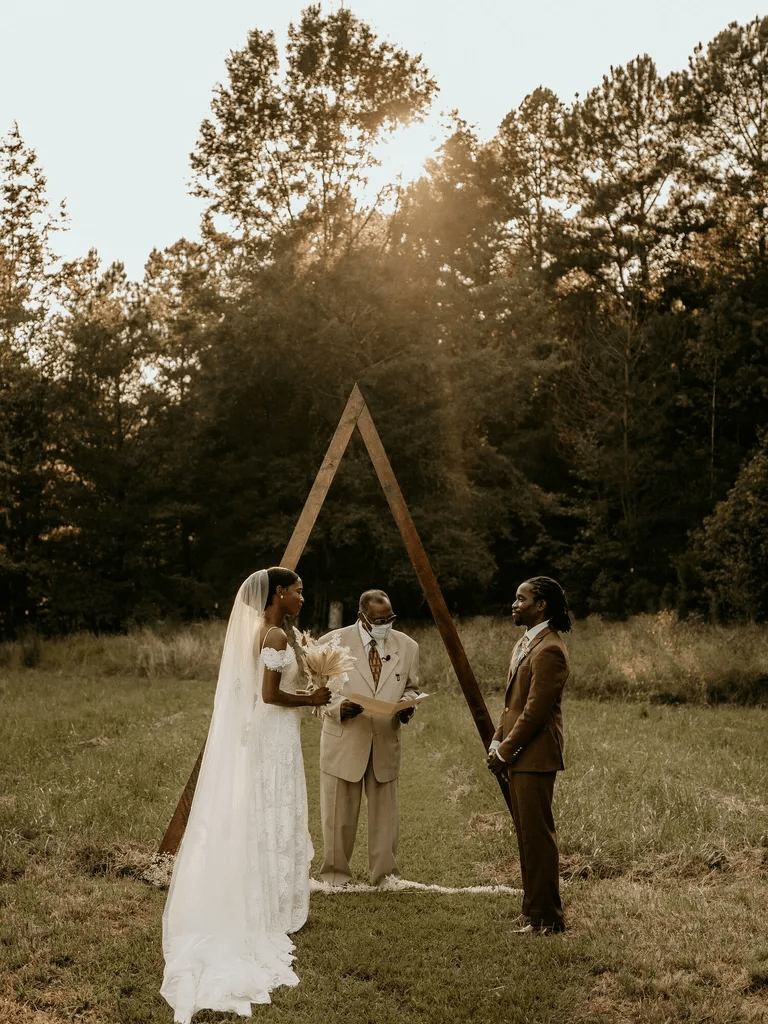
Your wedding day is one of the most memorable occasions of your life, and the photographs you receive afterward will preserve those Check this article memories forever. To ensure your photographer captures every important moment, detail, and emotion, creating a comprehensive wedding photo shot list is essential.
A shot list helps keep the day organized, makes the photography process smoother, and guarantees that you don’t miss out on any must-have images. Whether you’re a bride, groom, wedding planner, or photographer, this guide will walk you through how to create an effective wedding photo shot list that covers everything important on your big day.
Why Is a Wedding Photo Shot List Important?
Before diving into the process, it’s worth understanding why a shot list is so valuable:
Keeps the Photographer on Track: With a clear plan, your photographer knows exactly which moments and people to capture.
Ensures No Important Shots Are Missed: From family portraits to special décor, a shot list reduces the chances of forgetting key photos.
Speeds Up the Photography Process: When everyone knows what to expect, photo sessions run efficiently, leaving more time to enjoy the day.
Helps Coordinate with Wedding Party and Vendors: A shot list can be shared with the planner or coordinator to align timelines.
Provides Peace of Mind: Knowing that your important moments are prioritized lets you relax and enjoy your wedding day.
Step 1: Understand Your Priorities
Every couple has unique priorities. Some want extensive family portraits; others focus on candid moments or creative shots. Start by discussing what moments and people are most important to you. Ask yourselves:
Which moments do we want documented? (Getting ready, first look, ceremony, reception)
Who are the must-have people in photos? (Close family, friends, colleagues)
What details do we want highlighted? (Rings, dress, flowers, venue décor)
Do we want posed portraits, candid shots, or a mix?
Write down these priorities to shape your shot list’s foundation.
Step 2: Categorize Your Shots
Organizing your shot list into categories makes it easier to follow. Typical categories include:
- Getting Ready
Bride and groom preparations
Details: dress, shoes, jewelry, invitations
Bridesmaids and groomsmen candid moments
Parents helping with attire
- First Look
Couple seeing each other for the first time
Emotional reactions
Intimate portraits
- Ceremony
Venue exterior and interior shots
Guests arriving
Processional and recessional
Exchange of vows and rings
First kiss
Candid moments of guests
- Family and Group Portraits Immediate family on both sides
Extended family groups
Wedding party (bridesmaids, groomsmen, flower girls, ring bearers)
Friends or special groups
- Couple Portraits
Romantic posed portraits around the venue
Candid moments of the couple interacting
Creative and artistic shots
- Reception
Venue décor and table settings
Grand entrance
First dance
Toasts and speeches
Cake cutting
Dancing and candid guest moments
Bouquet and garter toss
- Details and Miscellaneous
Wedding rings close-ups
Flowers and bouquets
Invitations and stationery
Special traditions or cultural moments
Unique elements (custom signage, favors)
Step 3: Get Input from Key People
Consult with your wedding photographer, planner, and close family members. Your photographer will provide valuable insights about what shots work best and suggest shots you might have overlooked.
Family members may want specific group photos or moments captured, so gathering their input helps avoid surprises later.
Step 4: Decide on the Number of Shots
Be realistic about how many photos can be taken within your wedding timeline. A typical wedding photographer captures hundreds of images, but posed group shots and portraits can take time.
Prioritize the most important shots first, then add extras if time allows. Discuss this with your photographer to balance coverage and timing.
Step 5: Create a Detailed Shot List Document
Make your shot list clear and easy to follow. Include:
Shot description (e.g., “Bride with parents,” “Groom with groomsmen”)
People involved (names help speed up grouping)
Location for the shot
Any special notes or poses you want
Using spreadsheets or wedding planning apps can help organize and share the list with your photographer and coordinator.
Step 6: Share the Shot List with Your Photographer and Coordinator
Send your finalized shot list to your photographer well before the wedding day. This allows them to prepare and incorporate it into their schedule.
Also, provide a copy to your wedding planner or coordinator, who can help manage groupings and keep the day on track.
Step 7: Be Flexible on the Wedding Day
While a shot list is a great guide, weddings can be unpredictable. Lighting conditions, weather, or timing changes may require adjustments.
Trust your photographer’s expertise and be open to spontaneous moments—they often create the most beautiful images.
Tips for Photographers Creating Shot Lists
Discuss the couple’s vision and priorities early.
Build a timeline that integrates photography smoothly into the day.
Allow buffer time for unexpected moments or delays.
Final Thoughts
Creating a detailed wedding photo shot list is one of the best ways to ensure you get the photos that matter most to you. It provides structure, reduces stress, and helps your photographer deliver images that tell the full story of your wedding day.
Start early, communicate clearly, and collaborate closely with your photographer and planner. With a thoughtful shot list, you’ll enjoy a smoother photography experience and memories captured just the way you imagined.

